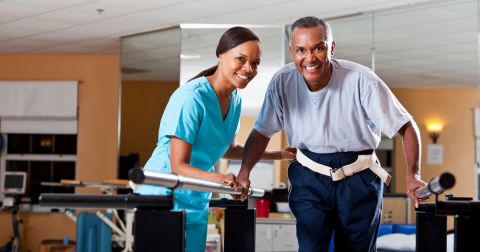
How well do you understand occupational and physical therapy? While both are rehabilitation services, physical therapy focuses on regaining physical function, whereas occupational therapy focuses on assisting people with everyday living chores such as clothing, cooking, cleaning, shopping, driving, and so on. Both therapies are frequently required following major surgery or an illness that impairs physiological or mental function.
OTs and PTs get along great because they both help patients achieve their goals. For example, many people want to be able to walk again. Physical therapists will work on muscular strength, balance, gait pattern, and walking endurance to achieve this goal. Occupational therapists will work with the patient to improve functional mobility and undertake various exercises, such as retrieving items from cabinets to test the patient's balance for walking. These similarities make these two specialities great candidates for sharing one medical office space. With the help of Practice Nomad’s platform, both a physical and occupational therapy practice can find a space to share that is mutually beneficial to both parties. Read below for more reasons why these two specialties could benefit from sharing a space.
Working Together
Physical and occupational therapists frequently collaborate to treat their patients. This could include a combination of hippotherapy and occupational therapy. They naturally complement each other since the physical therapist concentrates on strength, endurance, stride, and balance, whereas the occupational therapist focuses on incorporating those attributes into daily living tasks.
For example, after the physical therapist has helped a patient improve their balance and leg strength, the occupational therapist can work with the patient on stretching to reach something from a higher kitchen cabinet. The occupational therapist has a more difficult time aiding their patient if they are not physically able to accomplish tasks. Similarly, when an occupational therapist assists in improving daily activities, the physical therapist might progress to more challenging physical therapy.
Types of Patients
People who may benefit from equestrian physical therapy, occupational therapy, or a combination of the two are as follows:
- Children and adults with autism
- Stroke patients
- Sports injuries
- Arthritis
- Old age
- Car accident or any injury
- Those with autoimmune disease, such as multiple sclerosis
- Down syndrome
- Cerebral palsy patients
- Parkinson’s patients
Similar Treatment Goals
Despite their slightly distinct areas of focus, physical therapists and occupational therapists are generally working towards the same goals:
- Assisting patients in regaining physical motor abilities, function, and strength
- Improving the quality of life for their patients
- Encourage patients' independence.
- Providing assistance to patients and their families
- Giving patients the information and confidence they need to control their own recovery
Shared Treatment Methods
Although physical therapy and occupational therapy use different treatment modalities, there are some protocols that are shared by both. For instance:
- Stretching for therapeutic purposes
- Manual therapy techniques, such as massages or hot and cold therapy
- Exercises to build strength gradually
- Training in the use of adaptive equipment
Conditions and Settings
Despite the differences in treatment focus, occupational and physical therapy are frequently appropriate for the same physical conditions and disabilities, such as:
- Stroke
- Brain Damage
- Amputation
- Recovery after Surgery
- Improving mobility after an injury
- Cancer
- Chronic Pain
Physical and occupational therapy usually take place in similar locations, such as:
- Rehab Treatment Centers
- Hospitals
- Clinics
Approach to Treatment
Physical and occupational therapists approach patient care in a similar manner. As an example:
- Both types of therapy will be based on a detailed, patient-specific treatment plan.
- Both are extremely specialized rehabilitation procedures that necessitate substantial professional education and certification.
- Both techniques treat the patient holistically, as a whole person, with the overarching goal of increasing the individual's quality of life and physical capability, rather than simply addressing a specific symptom.
- Physical and occupational therapists both strive to create a strong support network for patients by collaborating with family members and other carers to educate them on the patient's long-term needs.
- Physical and occupational therapists will continuously assess the patient's progress during treatment and customize the therapy to meet the needs and abilities of each individual.
How Do Physical and Occupational Therapists Work Together?
Stroke is one of the most prevalent areas where the two therapists work together. Brain cells die as a result of a shortage of oxygen caused by a ruptured or clogged artery in the brain during a stroke. When this happens, the brain must create new pathways for all types of functioning. Physical therapists and occupational therapists collaborate to address concerns such as weakness on one side of the body or the inability to walk or move limbs, and to return stroke patients to performing duties as independently as feasible.
Occupational therapists assist stroke patients in adapting their daily routines. They also teach patients how to utilize adaptive equipment such as toilet sliding boards and bedside commodes. They are also involved in long-term care planning. Physical therapists, on the other hand, help patients restore their balance, walk, and regain strength after a stroke.