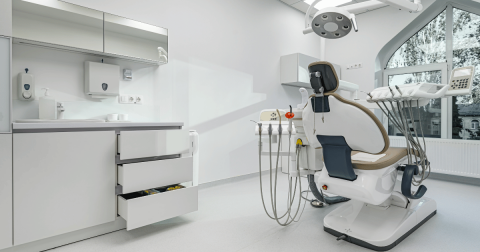
The relationship between audiology and otolaryngology is symbiotic, because both professions work in the ecosystem of hearing and balance health care. The audiologist is the expert in amplification, fitting, dispensing, programming, and reprogramming, whereas disorders of the middle or outer ear are clearly the domain of the surgical otologist. Because their practices overlap, they must collaborate to provide patients with the best individualized care possible. Practice Nomad’s platform offers the ability for these two professions to come together in a shared office space to maximize their productivity and patient care.
Diagnosis
A number of areas necessitate collaborative effort, resulting in superior and critical patient management. Among the many disorders that require the best kind of audiologist-otolaryngologist collaboration are early detection of childhood hearing loss, idiopathic sudden sensorineural hearing loss, tinnitus management, Meniere's disease, and cochlear implants (CI).
Functional assessment
The best collaboration model is seen in the field of cochlear implants (CI). Preoperative candidate selection is made as a collaborative effort by ENT physicians, audiologists, and phoniatricians. In pre-lingual patients with long-standing hearing loss who use sign language, CI has limited utility. The ENT surgeon is responsible for any medical or radiological contraindications to surgery. An audiologist assesses aided residual hearing with satisfactory speech intelligibility (perception and production). This fact emphasizes the importance of wearing hearing aids for 3-6 months before deciding to have surgery.
Holistic approach to management
If a correct diagnosis of hearing loss is made, the chances of effective treatment improves dramatically. Individual management protocols combined with effective teamwork ensure a holistic approach to meeting the needs of the patient. For example, with the introduction of programmable, digital hearing aids, we now have much greater flexibility to customize the hearing aids to the patient's specific needs. Best practices for assessment, hearing aid fitting verification, and proper follow-up care are critical for optimizing outcomes. Hearing aids that fit completely in the canal (CIC) for a patient with diabetes and a long history of dry perforation, for example, necessitates consultation with an ENT surgeon to discuss several important factors: proper ear ventilation, sanitizing the hearing aids, and incorporating possible medical intervention to ensure the perforation remains dry with hearing aid use. Most ENT surgeons and audiologists deal with tinnitus on a daily basis. Approximately 80% to 90% of tinnitus patients have some degree of hearing loss. However, the number of people with tinnitus who have some auditory system damage may be even higher because a routine audiogram does not detect auditory system damage until enough hair cells have been damaged. Because there are so many causes of tinnitus, there is no clear solution with therapeutic approaches. Recent technological advances have yielded promising results in the treatment of tinnitus. Tinnitus management should be tailored to each person's functional and financial requirements. Patients should not be told by doctors or other specialists that they must "learn to live with it" or "just ignore it." Tinnitus management options include Cognitive Behavioral Therapy (CBT), Tinnitus Retraining Therapy (TRT), and combination instruments that combine amplification and/or sound generator support in a single device. Therefore, a comprehensive hearing healthcare team that works together to provide quality care for hearing impaired patients is possible. While it is critical not to overburden the healthcare system, early diagnosis and treatment will reduce the cost of long-term follow-up care. The current routine hearing assessment battery should be reviewed as well. Patients with similar audiological characteristics may suffer from varying degrees of communication impairment. Rather than simply treating the findings of the investigations, rehabilitation approaches should be based on addressing individual patient needs. Only effective communication between hearing health care professionals can improve patient health outcomes.